
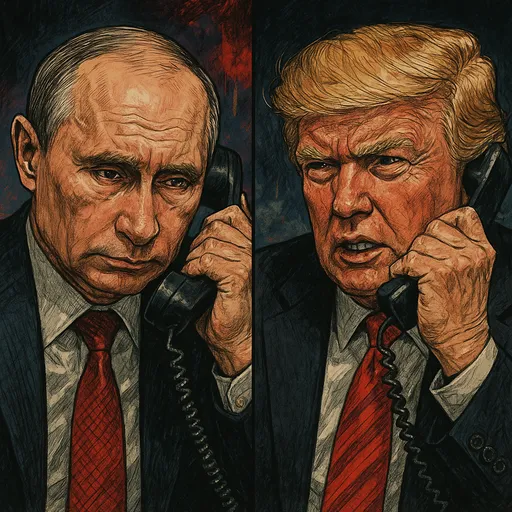
In March 2026, Russian President Vladimir Putin and US President Donald Trump engaged in multiple high-level phone conversations focusing on the ongoing conflicts in Iran and Ukraine, as well as related geopolitical issues including Venezuela and global oil markets. The discussions highlighted Russia's proposals for a swift resolution to the Iran war and explored potential ceasefires and diplomatic solutions for Ukraine. Both leaders expressed a willingness to engage constructively, with Trump showing optimism about ending the Iran conflict soon. The calls underscore the importance of direct communication between the US and Russia amid escalating international tensions and complex regional dynamics. While details remain limited, these dialogues reflect ongoing efforts by major powers to manage and potentially resolve overlapping global crises.
Russian sources emphasize President Putin's active role in proposing political solutions aimed at quickly ending the war in Iran and addressing the Ukraine conflict. Moscow highlights the constructive and businesslike nature of the talks, portraying Russia as a key diplomatic actor seeking to influence outcomes in these crises. The Kremlin often stresses the significance of these discussions and Putin's willingness to be helpful in the Middle East situation.
From the US viewpoint, President Trump is portrayed as engaging actively with Putin to discuss pathways toward ending the conflicts in Iran and Ukraine. Trump expresses optimism about a near-term resolution to the Iran war and describes the conversations as constructive, highlighting a mutual understanding reached on these issues. The US narrative focuses on the importance of direct dialogue and the potential for diplomatic progress amid ongoing tensions.
International and neutral sources report on the phone calls as significant diplomatic engagements between two major powers addressing critical global conflicts. These accounts focus on the topics discussed—primarily Iran and Ukraine—without detailed commentary on outcomes, underscoring the calls as part of ongoing efforts to manage complex geopolitical crises. The tone is factual, highlighting the importance of sustained communication amid escalating tensions.