

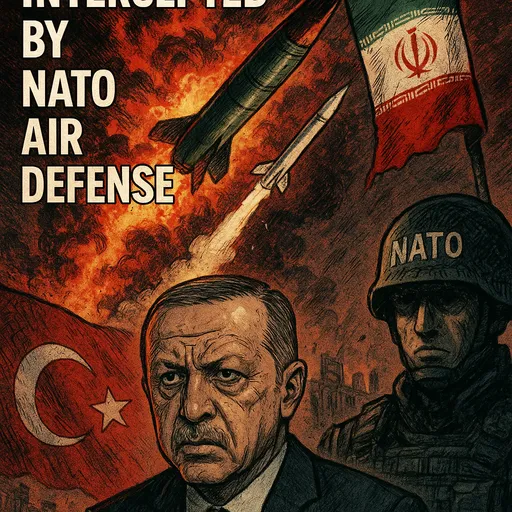
Iran launched a ballistic missile targeting Turkey, which was intercepted by NATO air defense systems, marking a significant escalation in regional tensions. Turkey condemned the attack and engaged in diplomatic efforts to prevent further conflict, while NATO reaffirmed its commitment to defend member states. Various countries and organizations, including the UAE and OIC, condemned Iran's aggression and called for restraint. The incident highlights the fragile security environment in the Middle East and the increasing involvement of international military alliances. The situation remains volatile with heightened military readiness and diplomatic concerns over potential further escalations.
Turkey and NATO emphasize the missile interception as a defensive success and a serious escalation of regional hostilities. Turkey expresses concern over sovereignty breaches and calls for restraint to avoid further conflict, while NATO condemns Iran's aggression and underscores its commitment to collective defense. This viewpoint highlights the readiness and coordination of NATO forces in protecting member states and managing the volatile security environment.
The Turkish government, including President Erdoğan and the Foreign Ministry, reacts with concern to the missile launch, emphasizing diplomatic engagement with Iran to prevent escalation. Turkey's leadership mourns regional losses but stresses the importance of NATO's role and military vigilance. This perspective reflects Turkey's dual approach of military readiness and diplomatic efforts to manage the crisis.
Countries and organizations such as the United States, UAE, and the Organization of Islamic Cooperation condemn Iran's missile attack on Turkey as unacceptable aggression. They call for restraint and dialogue to prevent further destabilization of the region. This viewpoint underscores the broader international concern over escalating conflict and the risks of wider regional instability.