

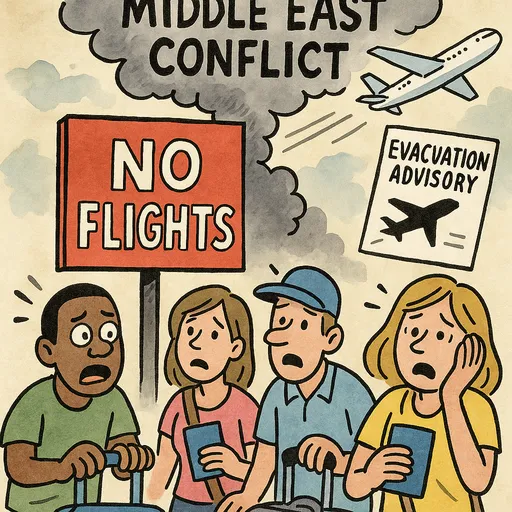
The escalating conflict in the Middle East has led to widespread flight cancellations, airport closures, and travel advisories affecting thousands of international travelers and foreign nationals. Many countries, including the US, European, Asian, and African nations, have issued evacuation orders or advisories urging their citizens to leave the region promptly due to security concerns. Gulf airports such as Dubai and Doha have been paralyzed, causing a global air traffic crisis and soaring ticket prices on key routes. Governments are coordinating special evacuation flights and repatriation operations, while also providing guidance and support to stranded nationals. The situation remains volatile with ongoing military actions, prompting continuous monitoring and adjustments to travel and diplomatic protocols.
Western and European countries are actively organizing evacuations and issuing travel warnings to protect their citizens amid the Middle East conflict. They emphasize prioritizing vulnerable individuals and coordinating with airlines to facilitate safe departures. These governments also maintain heightened diplomatic security measures and monitor the evolving situation closely to adjust their responses accordingly.
Asian and Pacific countries focus on safeguarding their nationals through evacuation operations and travel advisories amid the escalating conflict. They coordinate embassy support, provide detailed travel guidance, and emphasize the safety of their citizens abroad. These nations also highlight the challenges posed by airspace closures and disrupted flight routes, working to ensure timely repatriation despite logistical difficulties.
The Gulf region experiences severe disruptions with airport closures, flight cancellations, and increased security risks due to ongoing military actions. Local governments and airlines are managing the crisis by opening safe air corridors and accommodating stranded travelers. Some countries, like Qatar, are providing support such as covering accommodation costs for those affected, while emphasizing that panic is being avoided despite the tense situation.
African countries and others like Haiti and Rwanda issue security alerts and coordinate evacuations to protect their citizens amid the Middle East conflict. They stress vigilance and provide embassy support to nationals in affected areas. These governments are actively involved in diplomatic efforts to ensure safe passage and address the challenges posed by the regional instability.