
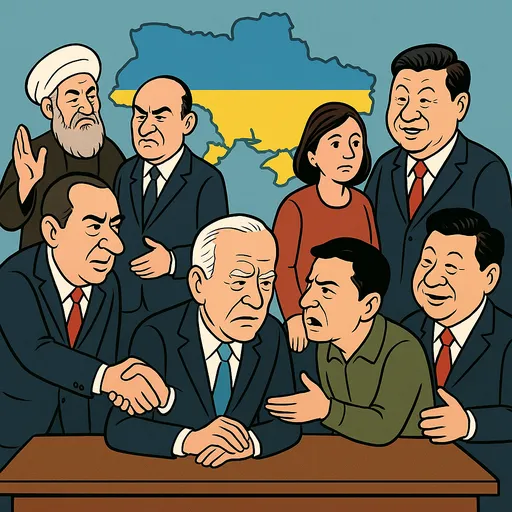
World leaders are engaged in intensive, multi-track diplomacy focused above all on the war in Ukraine, with US envoys, European advisers and former-administration emissaries conducting rounds of talks in Kyiv and prompting tactical pauses and guarded optimism. At the same time, Russia and Western states remain locked in tense exchanges—publicly calling some talks “constructive” while disputing incidents such as the Leipzig drone and trading sharp rhetoric. Multilateral institutions advanced governance agendas, notably reaching initial agreement on definitions for lethal autonomous weapons and addressing alleged use of chemical agents, reflecting coordinated international rule‑making. China’s outreach—via high‑level visits and people‑to‑people initiatives—along with OIC engagements, shows growing diplomatic breadth as states balance major‑power ties. Across regions, leaders continue routine state visits, cultural diplomacy and calls for restraint, while religious figures add moral pressure for renewed negotiations and humanitarian protections.
From Moscow’s perspective, recent exchanges with U.S. emissaries have been described as constructive even as Russian officials vehemently reject German accusations over the Leipzig drone and denounce some Western rhetoric as escalatory. Russia also signals openness to high‑level multilateral meetings while pushing back against criticism and portraying adversary statements as politically motivated.
Kyiv and its Western partners are pursuing intensive, multilayered negotiations involving U.S. envoys, European security advisers and private intermediaries; Ukrainian leaders report substantive rounds but stress continued effort is needed. Talks have produced tactical measures such as pauses in strikes and pledges to continue trilateral and multilateral engagement, yet participants warn outcomes remain uncertain and additional support packages will be required for winter.
Countries at the United Nations advanced cooperative frameworks on emerging threats, notably reaching initial consensus on defining lethal autonomous weapons and continuing debate on accountability for alleged chemical weapons use. Member states and UN delegates also highlighted legacy issues from peace operations and investigative reporting, underscoring institutional channels for addressing security and humanitarian concerns.
China’s diplomatic footprint is being reinforced through people‑to‑people seminars, high‑level state visits and targeted outreach to organizations such as the OIC, while other states—including Egypt and Qatar—pursue ties with Beijing as part of broader balancing strategies. These initiatives emphasize cultural, economic and security cooperation as states seek diversified partnerships amid great‑power competition.
A range of Muslim‑majority states and regional actors issued coordinated statements and appeals urging restraint over contentious actions and speeches, while individual governments and lawmakers called for de‑escalation and mediation to contain spillovers. EU and regional interlocutors also urged political pluralism and steps to reduce tensions, reflecting an emphasis on diplomacy to prevent wider conflict.
Leaders and envoys continued routine state visits, cultural exchanges and ceremonial diplomacy—from inaugurations and goodwill messages to ambassadorial tours—using bilateral engagement to reinforce ties and advance trade, tourism and governance cooperation. These lower‑profile interactions complement crisis diplomacy by sustaining channels of communication and public diplomacy across regions.
The Vatican has repeatedly urged an end to violence and renewed negotiations, framing diplomatic resolution and humanitarian protection as moral imperatives. Papal interventions add ethical weight to international appeals for dialogue and corridors for civilians amid the conflict in Ukraine.
States in and around the Sahel and Gulf region rejected accusations of involvement in illicit networks or support for unrest, with some governments explicitly denying links cited in UN or investigative reports. These denials highlight contested narratives and diplomatic friction as external and regional actors navigate accountability and influence in unstable contexts.