

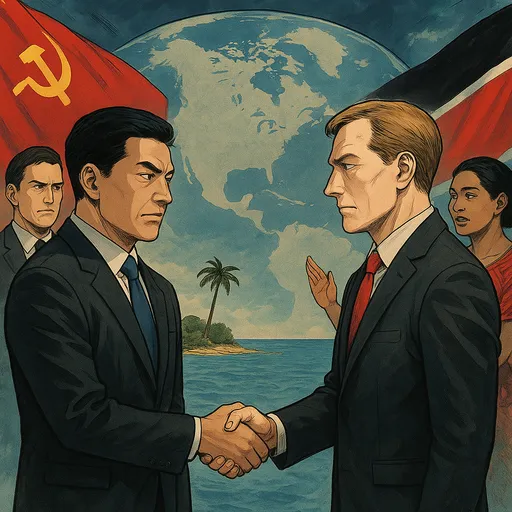
This batch of reporting shows an active phase of bilateral diplomacy where states pursued security ties, trade and investment deals, infrastructure projects and cultural outreach. Defence training, patrol cooperation and equipment contracts sat alongside agreements to expand trade, lines of credit and targeted development finance from the Arctic to the Pacific. Small states in the Pacific and elsewhere balanced offers from multiple partners while larger powers deepened strategic links through state visits and working groups. At the same time, geopolitical friction—over alliances, historical grievances and technology policy—tempered some agreements, underscoring that practical cooperation often proceeds amid contestation.
Sources emphasise closer operational and capacity-building ties: naval visits, joint patrols, training missions and defence contracts reflect an emphasis on bolstering partner security capabilities. Reporting also highlights how these ties interact with regional tensions and law‑enforcement cooperation, signalling that defence diplomacy remains central to many bilateral agendas.
European institutions frame Greenland as a strategic partner, pursuing high-value commitments and new declarations to deepen Arctic cooperation. Coverage focuses on financial pledges and high-level visits as part of broader EU Arctic policy and geopolitical positioning.
Reporting from the Pacific highlights a mosaic of external partners offering development, security and cultural support, with recipients managing multiple relationships to meet local needs. Articles show Australia, China, Saudi Arabia, Japan, France and the United States each providing different forms of assistance, underscoring competing influence and practical cooperation in the region.
Ethiopia is portrayed as actively broadening ties with regional and global partners across diplomacy, trade and security. Coverage blends high‑level diplomatic outreach with discussion of emerging security cooperation with the United States and other partners.
States and partners are advancing cross‑border infrastructure and tech cooperation—from high‑speed rail corridors and bridges to investment projects and research partnerships—to boost connectivity and economic modernization. The reporting highlights both physical projects and technological collaboration as drivers of regional integration and competitiveness.
Smaller and mid‑sized states are diversifying partnerships to secure economic, transport and digital development, engaging a mix of regional and external actors. Coverage emphasises business ties, official meetings and thematic dialogues aimed at delivering tangible benefits at home.
Governments and firms used bilateral channels—MOUs, credit lines, trade accords and investment partnerships—to mobilise financing and market access. Reporting highlights how these instruments are deployed to stimulate growth, facilitate cross‑border investment and address development priorities.
High‑level visits, working‑group meetings, inaugurations and condolence exchanges are presented as the routines that underpin and catalyse deeper bilateral cooperation. The coverage treats these events as both symbolic and practical stepping stones for follow‑up agreements and collaboration.
Several pieces reflect states asserting sovereignty or taking firm stances amid great‑power competition, historical grievances and technology policy disputes. The reporting captures how strategic signalling, diplomatic rows and contested recognitions complicate bilateral engagements even as practical cooperation proceeds in other areas.
Soft‑power measures—literary funding, cultural celebrations, trade missions and cultural cooperation—are used to cement bilateral ties and support local creative or institutional capacity. These stories show how cultural exchange complements formal economic and political agreements to sustain long‑term relationships.