
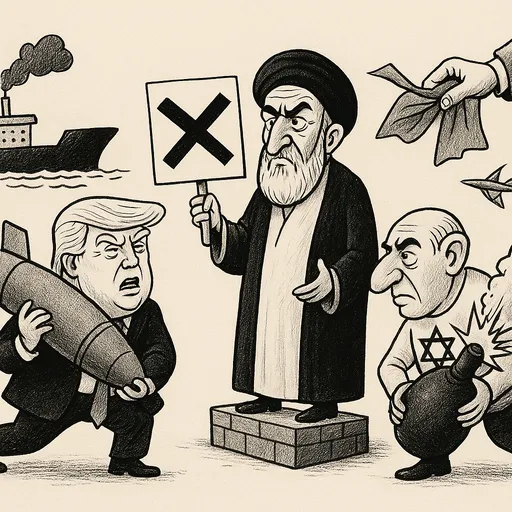
Reporting shows an intense cycle of U.S.–Iran exchanges — repeated U.S. strikes and Iranian claims of attacks on American bases — while President Trump publicly weighs larger bombardments, keeping the prospect of major escalation alive. Gulf states and Saudi-led coalitions, along with reported covert strikes by Bahrain and Kuwait and Houthi operations from Yemen, have widened the battlefield and raised alarms about shipping in the Strait of Hormuz and the Red Sea. At the same time, Israel has launched major operations in the West Bank and conducted cross-border strikes into Lebanon and Gaza, producing casualties and inflaming regional tensions. International organisations, market analysts and diplomats warn of severe humanitarian consequences, energy-market disruption and a real risk that localized clashes will spill into a broader regional war.
Coverage emphasises U.S. military action, repeated strikes on Iranian targets, and public threats from U.S. leadership about larger operations. Reporting frames allied readiness and maritime interdictions as intended to deter Iran while warning these moves could further escalate the conflict.
Articles reflect Tehran’s and the IRGC’s narrative of retaliatory strikes on U.S. positions, appeals to regional populations to avoid U.S. bases, and active support for proxy forces such as the Houthis. Coverage also highlights Iran’s internal security measures and its declared military preparations, framing Tehran as determined to continue operations.
Reports from Gulf states and regional actors spotlight direct actions — sometimes covert — against Iranian targets, Saudi-led strikes on Houthi positions, and attacks on shipping that imperil key choke points. The perspective stresses immediate security responses by Bahrain, Kuwait and Saudi Arabia and the risk that those moves will broaden the conflict.
Local reporting documents Israeli military operations in the West Bank, settler incursions, new barriers and cross-border bombardments into Lebanon and Gaza, focusing on casualties and security justifications. The coverage highlights how these developments compound regional tensions and draw diplomatic condemnations, raising the prospect of wider destabilisation.
UN agencies, international media and market analysts emphasise the wider consequences: threats to energy supplies and shipping, detained mariners, humanitarian crises and urgent calls for restraint. This vantage warns that continued strikes and maritime disruptions risk triggering a broader regional conflagration with severe civilian and economic fallout.