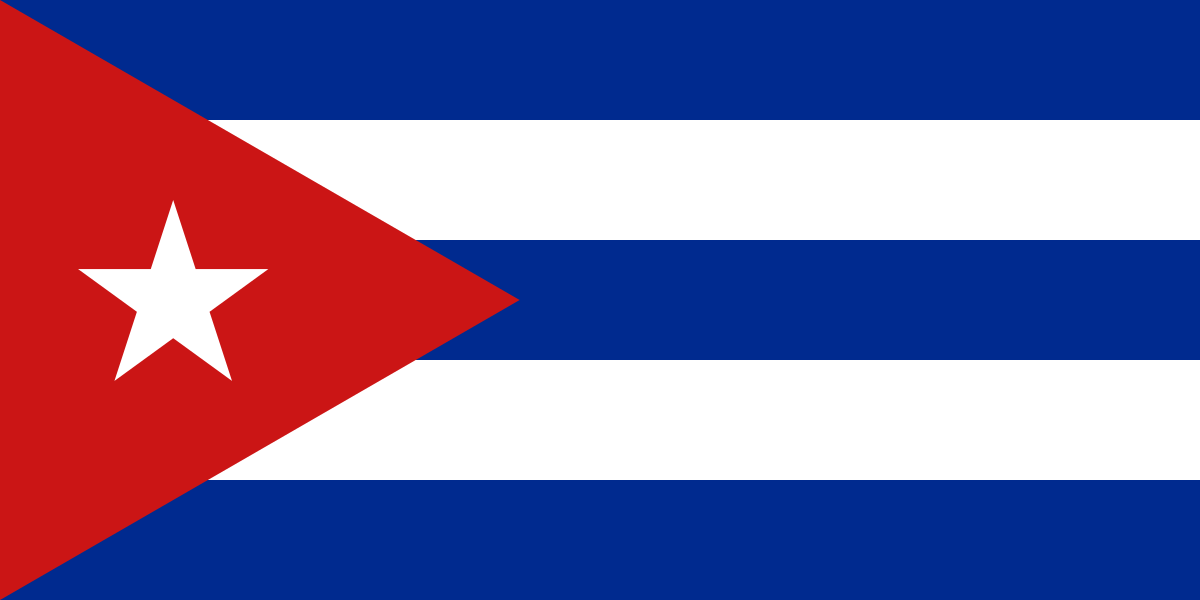

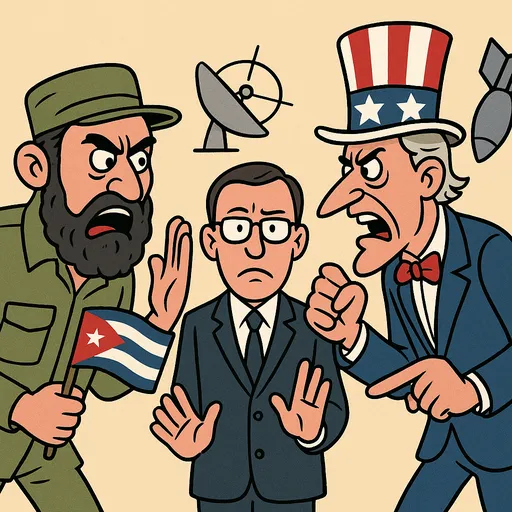
Cuban leaders and diplomats portray bilateral relations as increasingly hostile, accusing the United States of tightening sanctions and even weighing scenarios that could include military action. Havana frames sanctions as a pretext for intervention and calls for international solidarity to defend its sovereignty. International actors, including the UN High Commissioner and regional governments, warn that US measures have serious humanitarian effects—hindering fuel, medical supplies and health services—and urge lifting or easing restrictions. An external analyst further warns that US policy may aim to weaken Cuba politically and economically, potentially reshaping its status in the region.
Cuban leadership presents itself as under continuous threat from the United States, denouncing new sanctions, a tightening blockade, and the possibility that Washington is contemplating hostile scenarios including military options. Officials and diplomats emphasize firm resistance, reject portrayals of Cuba as the aggressor, and call for international support to defend sovereignty.
UN and regional voices focus on the humanitarian consequences of US sanctions, arguing that extraterritorial measures and fuel restrictions impede access to essential goods and medical care and harm Cuba's healthcare system. These actors call for lifting or easing sanctions to alleviate civilian suffering.
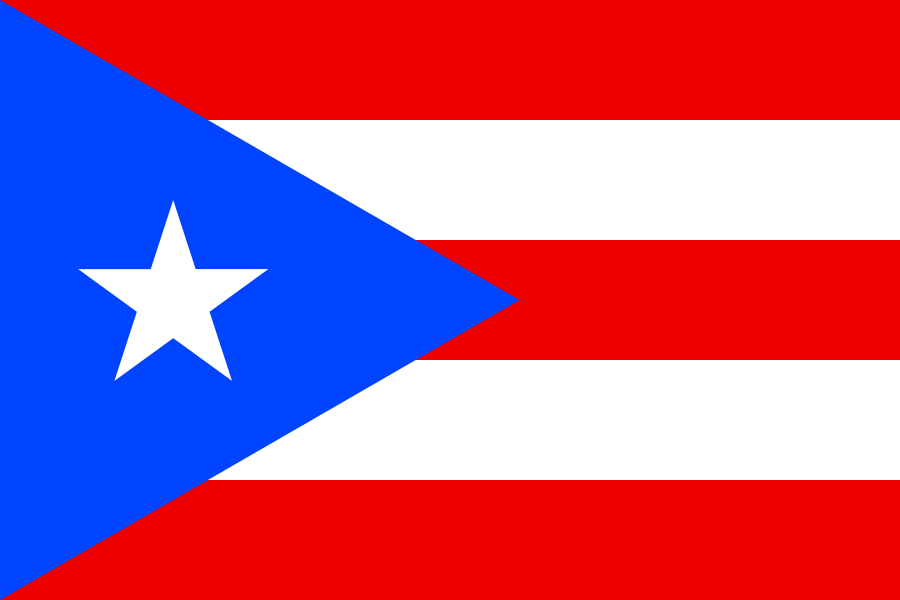
An outside analyst contends that US policy aims to weaken Cuba to alter its political status—potentially turning it into a dependency akin to Puerto Rico—interpreting pressure as strategic rather than solely punitive. This perspective frames US actions as part of a deliberate effort to reshape Cuba's sovereignty and regional role.