

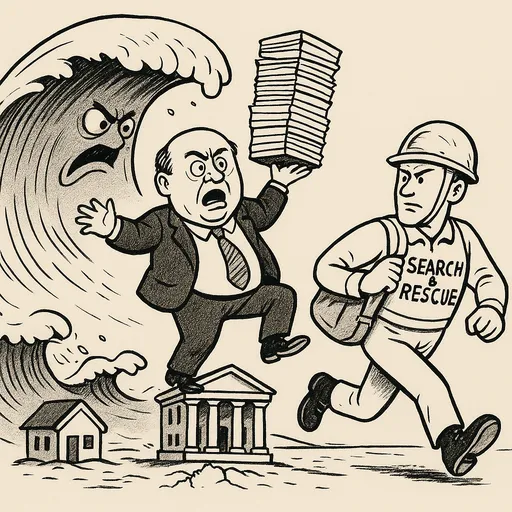
A powerful magnitude 7.8 earthquake struck off southern Mindanao, Philippines, triggering tsunami warnings and advisories across the western Pacific. Coastal communities were ordered to evacuate or move to higher ground while authorities and international agencies monitored sea levels and aftershocks. Early reports vary: multiple outlets document building collapses and a rising death toll reported in some localities, while others stress precautionary alerts with no confirmed major damage. Emergency teams and national governments mobilized search-and-rescue and relief operations as information continued to be verified and the regional humanitarian picture remained fluid.
Many international outlets and neighbouring countries emphasised immediate tsunami advisories and cross-border precautionary evacuations, focusing on protecting coastal populations and monitoring sea-level changes. These reports stress the early-stage nature of the crisis, framing alerts as precautionary while authorities prepared emergency response teams.
Several sources prioritised reporting of deaths, injuries, collapsed buildings and immediate relief efforts, presenting the quake as an unfolding humanitarian emergency that requires search-and-rescue and medical response. These accounts highlight verified fatalities in some areas and early damage assessments as authorities and aid teams mobilise on the ground.
Some outlets focused on the technical aspects—USGS and national seismology data, magnitude/depth details, and warnings about aftershocks—providing context for the quake’s origin and evolving risk. These pieces emphasise assessment, ongoing monitoring, and situational updates rather than casualty counts.
A subset of national reports framed the event in terms of risk to their own shores, with agencies ruling out a destructive impact or a tsunami threat for their country while still monitoring the situation. These pieces convey reassurance to domestic audiences even as they track regional developments.