
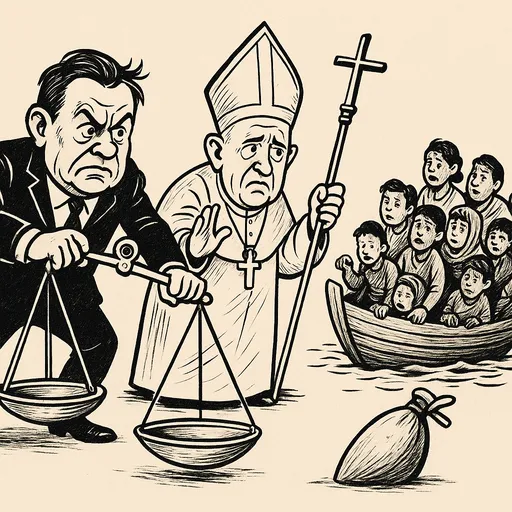
Recent international reporting highlights converging diplomatic and humanitarian strains: states and institutions are grappling with calls for legal accountability over wartime conduct while refugees and migrants face rising hostility and lethal risks. Pope-led appeals and UN warnings underscore tensions between calls for protection of vulnerable populations and domestic political pressures to curb migration. Rights groups and watchdogs continue to document abuses from prisons and death-penalty use to restrictions on LGBT+ and minority rights, while journalists and editors report growing constraints on free expression. International forums — from the ICJ to UN committees and labour conferences in Geneva — remain central arenas for negotiating norms on accountability, protection and governance.
A mix of governments, media and commentators foreground legal accountability for alleged wartime abuses and the diplomatic fallout of taking sides. These pieces stress international courts, investigative reporting, and appeals for protection of threatened communities as central mechanisms to address alleged crimes and political maneuvering.
Reporting from diverse countries emphasizes the humanitarian risks faced by migrants and refugees and domestic backlash against reception policies. Stories combine UN and civil-society warnings, deadly migration incidents, local protests and policy shifts to show how international protection norms collide with political and security pressures.
Civil society, UN agencies and local reporting highlight gendered harms and call for stronger protections for women against violence and discriminatory decrees. These pieces document protests, condemnations of restrictive policies, and everyday threats to women’s safety across different regions.
National legislative moves and regional advocates draw attention to tightened penalties, minority protections, and politically charged prosecutions. The perspective emphasizes the risk to marginalized groups from new laws or punitive court actions and urges safeguards for minority and dissident rights.
Journalists, editors and activists from several countries stress threats to independent media, the importance of protecting exiled reporters, and the politics of memory where state narratives suppress uncomfortable histories. The pieces call for international recognition and solidarity with press freedom defenders.
Coverage of UN bodies, Geneva conferences and elected UN roles highlights how states use multilateral forums to shape legal, labour and human-rights norms. These sources present institutional engagement as the principal channel for negotiating remedies, compensation frameworks and legal oversight.
Reports on prisons, gang trials and reparations focus on domestic justice responses to past and ongoing abuses, from mass trials to state reparations for historical crimes. The perspective centers victims’ needs for redress and the limits of institutions confronting organized crime and systemic abuse.
International actors and NGOs critique emerging governance questions from AI ethics to capital punishment, urging normative frameworks to prevent abuse. These items reflect calls from religious and rights organizations for proactive global regulation and monitoring.
Local reporting highlights racism, social marginalization and suspicious detentions affecting minority communities, calling for transparency and protection. The pieces underline how everyday exclusion and human-rights concerns at national levels feed into broader diplomatic scrutiny.