
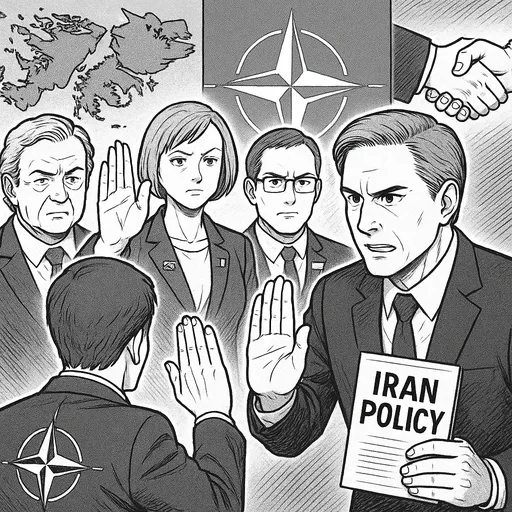
Leaked US planning documents and senior officials’ rhetoric show Washington weighing punitive measures to coerce allied support on Iran, including suspension from NATO and diplomatic leverage over issues like the Falklands. Many European governments — notably Spain, Italy and the UK — have publicly rejected such measures, stressed alliance unity and downplayed reports of expulsions or ruptures. At the same time, prominent European leaders and governments express growing unease about US reliability, prompting renewed calls for greater European strategic autonomy. Despite the tensions, the United States continues active diplomatic outreach and defence cooperation with partners (envoys to Pakistan, procurement and technology sharing, and mediated talks in the region), underscoring that allied coordination remains central even as relations are tested.
US internal communications and some administration voices have advocated hardline options to compel allied support on Iran-related operations, ranging from sanctions and suspension from NATO to reconsidering support on discrete sovereignty issues. This posture frames allies as potentially 'undisciplined' and pressures partners to join US-led security measures, but risks eroding trust and alliance cohesion.
Spain, Italy, the UK and other NATO partners have publicly rejected reports of expulsions or punitive measures and emphasized that alliance procedures and unity must prevail. Several governments also signalled they would not join combat operations with Iran, underscoring limits to US coercion and the political costs of forcing participation.
Senior European figures have voiced frustration with US unilateralism and questioned American reliability, arguing that Europe must strengthen its own strategic independence. These critiques reflect broader political backlash against perceived coercive US tactics and feed debates over European defence and diplomatic autonomy.
Parallel to pressure tactics, Washington is pursuing active diplomacy and defence collaboration: sending high-level envoys to South Asia, facilitating talks between regional actors, approving arms sales and sharing defensive tech. These cooperative actions indicate the US still relies on partner engagement and capability-building even while bargaining over policy alignment.
US rhetoric and policy maneuvers provoke broad international responses beyond NATO, affecting bilateral ties, cultural partnerships and perceptions in the Global South. From fallout over cultural deals and Cuban denunciations to controversies about US comments on India and consequences for small regional partners, these stories show diplomatic reverberations across multiple theaters.