Fragile truce: US conditional extension, Iranian scepticism and mediation efforts
US–Iran Diplomacy2026-04-23 • 132 articles in total
In brief
President Trump extended the US–Iran ceasefire while maintaining pressure and openness to talks without firm deadlines.
Iran showed mixed signals with willingness to negotiate alongside rejection of US claims and setting preconditions.
Pakistan and others facilitated talks amid uncertain Iranian participation, while military tensions and US domestic politics threaten diplomatic progress.
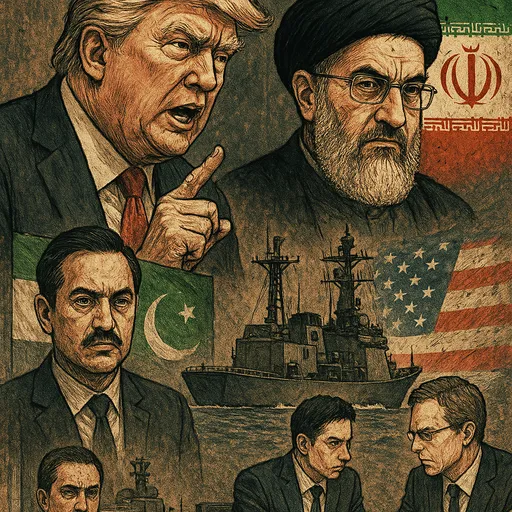
President Trump repeatedly announced extensions or pauses to the US–Iran ceasefire while stressing conditionality, continued pressure (including a naval blockade), and an openness to talks without setting fixed deadlines. Tehran’s public stance was mixed: some officials reported progress or willingness to negotiate while others denied claims made by Washington and insisted on preconditions. Pakistan and other intermediaries emerged as central facilitators as face‑to‑face sessions and logistics for talks were prepared despite uncertainty over actual Iranian participation. Analysts and regional partners warn the ceasefire is fragile, with military signals, accusations of violations and domestic political disputes in the US increasing the risk that diplomacy could stall or collapse.
Countries covering this topic
US administration: conditional extension and pressure
Washington (through Trump and White House spokespeople) frames the pause as a tactical extension to buy time for a proposal from Tehran while retaining leverage — notably a naval blockade — and declining to set hard deadlines. The US narrative mixes offers to negotiate with public accusations of Iranian violations and intermittent warnings that talks must produce concrete moves.
Iranian officials present a cautious, often contradictory public line — at times signalling willingness to negotiate or reporting progress, while at others denying US claims, rejecting pressure, and setting preconditions for any deal. Tehran’s rhetoric stresses sovereignty, legal rights and guarded distrust of US intentions, which complicates prospects for a rapid breakthrough.
Third‑party actors, especially Pakistan, are portrayed as key facilitators: preparing venues, security and hosting face‑to‑face sessions even as Tehran’s participation remains uncertain. Reporting emphasizes the practical steps and diplomatic shuttle efforts intended to salvage negotiations amid mutual distrust.
Coverage highlights the ongoing military dimension — naval blockades, seizures, drones, missile forces and leadership changes — that keeps pressure on Tehran and sustains the risk of escalation. Several pieces underline that while a truce may be extended, force posture and incidents at sea or displays of military capability continue to shape bargaining and stability in the Gulf.
Analysts and international media stress the fragility and ambiguity of the current diplomatic moment, debating whether extensions are tactical pauses, strategic blinks, or steps toward a genuine settlement while noting broader geopolitical and economic effects. Many pieces warn that domestic politics, divergent allied preferences and unresolved naval and nuclear issues make a durable agreement uncertain.
Congressional votes, protests by veterans and partisan debate reveal domestic contention over how far the US should press or restrain military action, and whether presidential authority should be limited. These internal divisions shape Washington’s negotiating flexibility and political calculations around Iran policy.