
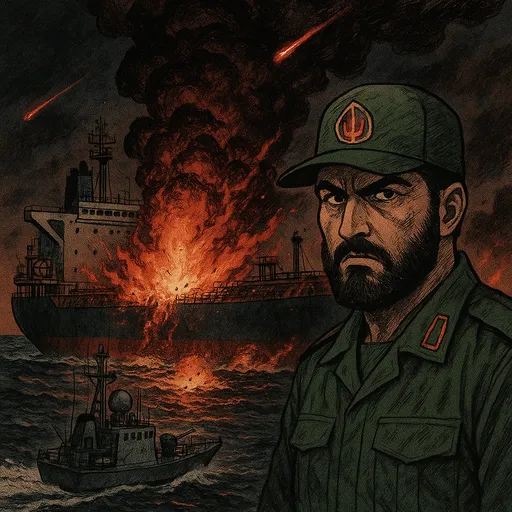
Recent attacks on commercial vessels in the Strait of Hormuz have significantly heightened regional tensions and raised global concerns over maritime security and energy markets. Iran is widely accused of orchestrating these assaults, including mine-laying and direct strikes on oil tankers, despite its denials and ongoing conflict with the US and its allies. The incidents have resulted in casualties, missing crew members, and disruptions to a critical oil shipping route, prompting international calls for restraint and increased naval protection. Various countries emphasize the risk of a broader conflict that could severely impact global oil supply and economic stability. The situation remains volatile, with no immediate resolution in sight as military and diplomatic pressures intensify.
Countries like the USA, Germany, and New Zealand highlight Iran's direct responsibility for the attacks on commercial vessels and the laying of mines in the Strait of Hormuz. They emphasize the threat these actions pose to global energy security and maritime safety, advocating for increased naval escorts and international vigilance. This viewpoint stresses Iran's destabilizing role and the need for a firm response to protect critical shipping lanes and prevent further escalation.
Articles from countries such as the UK, Malta, South Africa, Malaysia, Indonesia, and Sweden focus on the broader implications of the attacks, including the risks to commercial shipping, crew safety, and the global oil market. They report on rescue operations, the number of vessels attacked, and the rising oil prices, while calling for restraint and highlighting the tense security environment. This perspective underscores the vulnerability of international trade routes and the urgent need for diplomatic solutions to avoid wider conflict.
From the Brazilian and Maldivian articles, the narrative includes Iran's strategic rationale for the attacks amid ongoing tensions and its denial of involvement in some incidents. This viewpoint frames the actions as part of Iran's broader regional posture and resistance to external pressures, particularly from the US. It reflects Iran's position of defiance and the complexity of attributing responsibility in a contested maritime environment.