
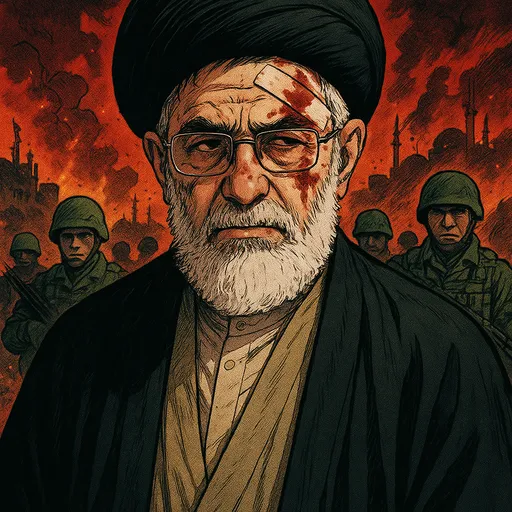
Iran has appointed Mojtaba Khamenei as its new Supreme Leader following the death of his father, Ali Khamenei, amid ongoing regional conflicts and internal instability. Reports vary on Mojtaba's health, with multiple sources confirming he was injured but remains safe and active, though his public appearances have been limited, fueling speculation about his condition and whereabouts. The appointment signals continuity of hardline policies, causing concern in global energy markets and geopolitical circles. International reactions range from cautious recognition to highlighting the potential for increased regional tensions. Heightened security measures, including deployment of elite forces, underscore the regime's focus on consolidating power during this critical transition period.
Countries like North Korea and Georgia publicly acknowledge and respect Iran's leadership succession, emphasizing diplomatic continuity and regional stability. Their statements focus on recognizing Mojtaba Khamenei's appointment as legitimate and affirm ongoing bilateral relations despite regional tensions.
Several sources, including Iranian officials and international media, report that Mojtaba Khamenei was injured in attacks that also killed his father but remains safe and active. These reports aim to reassure both domestic and international audiences about the stability of Iran's leadership despite ongoing military confrontations and rumors of his disappearance or severe injury.
Some articles highlight the uncertainty and concern within Iran and abroad due to Mojtaba Khamenei's limited public appearances and unclear whereabouts since his appointment. This opacity fuels speculation about internal political dynamics and the leader's ability to assert control during a volatile period.
Several reports analyze Mojtaba Khamenei's background, leadership style, and potential agenda, noting his continuation of hardline policies and the challenges he faces both domestically and internationally. This perspective underscores the significance of his appointment for Iran's future direction and regional geopolitics.
Some articles emphasize the broader consequences of Iran's leadership change amid escalating Middle East conflicts, including surging oil prices and humanitarian crises. They highlight the risks of intensified military confrontations and the fragile security environment affecting global energy supplies and regional peace.
Certain reports focus on the contrast between the new leader's public hardline stance and personal wealth abroad, as well as the deployment of elite paramilitary units to protect him. These perspectives suggest internal regime concerns about security and legitimacy amid external pressures and internal challenges.