
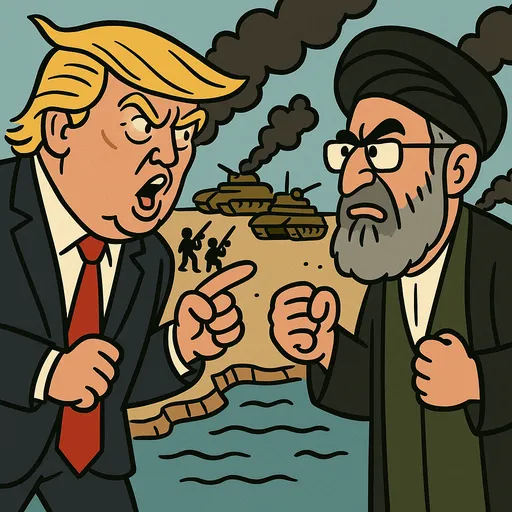
US President Donald Trump has issued numerous threats and statements regarding military actions against Iran, emphasizing readiness for severe retaliation and warning of unprecedented strikes, particularly concerning the Strait of Hormuz. Trump frequently claimed the war with Iran was nearing its end, though these assertions were met with skepticism both internationally and domestically, highlighting contradictions and political messaging strategies. European and other international actors expressed caution or refusal to deepen involvement, underscoring complex transatlantic dynamics. Iran maintained a defiant stance, rejecting ceasefire talks and continuing military responses, while analysts and opinion pieces debated the broader geopolitical implications and potential consequences for US politics. The situation remains volatile with ongoing military engagements, diplomatic tensions, and significant impacts on global energy markets.
This cluster reflects the perspective of the United States and its close allies, emphasizing Trump's optimistic claims that the war with Iran would end soon, alongside warnings of strong military retaliation if Iran disrupts oil shipments or escalates conflict. The messaging aims to project strength and control, often downplaying the conflict's duration and severity to maintain public support and market stability. It also includes US political figures framing the conflict as decisive and necessary, despite ongoing hostilities.
Articles from European and other international sources highlight skepticism toward Trump's claims and caution regarding deeper involvement in the Iran conflict. European countries demonstrate reluctance to support US-led offensives, reflecting a more measured approach to escalating tensions. This viewpoint underscores the complexity of transatlantic relations and the geopolitical risks of the conflict, emphasizing diplomatic challenges and the potential for prolonged instability.
This cluster captures Iran's firm rejection of ceasefire talks and its continued military responses to US and allied actions. Iran's stance is characterized by defiance against US threats and a commitment to resist foreign military pressure, contributing to ongoing hostilities and regional instability. The perspective highlights the resilience of Iranian forces and the challenges faced by the US in achieving a swift resolution.