
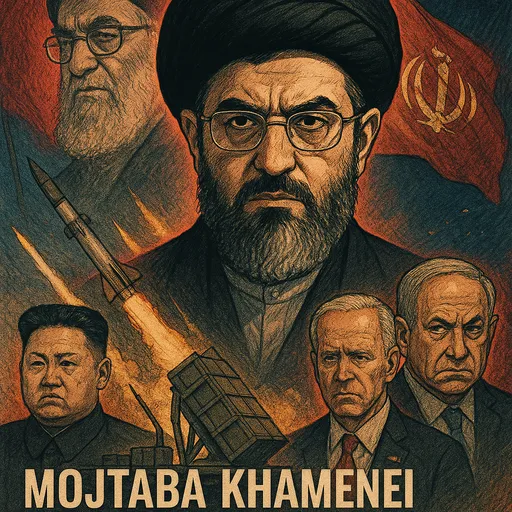
Iran has officially appointed Mojtaba Khamenei, son of the late Supreme Leader Ali Khamenei, as the new Supreme Leader, marking a significant leadership transition within the Islamic Republic. This succession consolidates power within the Khamenei family and signals continuity of hardline policies amid ongoing regional conflicts and international scrutiny. The appointment has elicited varied international reactions, with allies like North Korea expressing support, while adversaries such as the US and Israel remain defiant and vigilant. The leadership change occurs alongside heightened military tensions, including missile interceptions and strikes, influencing regional stability and global oil markets. Observers note concerns about increased authoritarianism and the challenges Mojtaba faces in asserting his leadership during this volatile period.
Iranian sources emphasize the formal and constitutional process of appointing Mojtaba Khamenei as the new Supreme Leader, highlighting the ceremony and the Council of Experts' role. They present the succession as a legitimate and stabilizing event that ensures continuity of governance and religious authority amid regional tensions. The focus is on the political and religious significance of the transition within Iran's established framework.
Countries allied or sympathetic to Iran, such as North Korea, express respect and support for Iran's appointment of Mojtaba Khamenei. They frame the leadership change as a sovereign decision and criticize external actors like the US and Israel for destabilizing the region. This perspective underscores solidarity with Iran against perceived foreign interference and highlights geopolitical alliances.
Western and regional sources, including the US, NATO, and Israel, view the appointment with concern, interpreting it as a hardline consolidation that may escalate conflicts. They emphasize the defiant message to the US administration, potential security risks, and the continuation of Iran's confrontational policies. Military actions and statements about pursuing successors reflect ongoing hostility and vigilance toward Iran's leadership dynamics.
Some international sources provide analytical or neutral coverage, focusing on the implications of Mojtaba Khamenei's leadership for Iran's future stability and regional geopolitics. They discuss the challenges he faces, the possibility of hereditary succession, and the impact on domestic and foreign policies without overtly taking sides. These perspectives offer context and explore potential outcomes of the leadership change.