

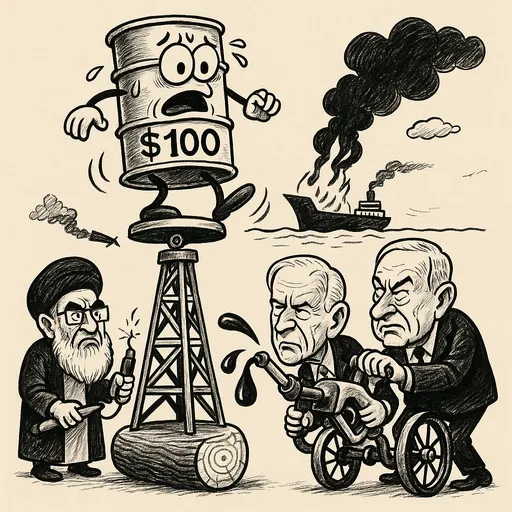
The ongoing conflict in the Middle East, particularly involving Iran, the United States, and Israel, has caused significant volatility in global oil markets, with prices surging above $100 per barrel and reaching historic weekly gains. Key oil infrastructure, including refineries and shipping routes like the Strait of Hormuz, face threats and disruptions, exacerbating supply concerns. Various countries report economic and social impacts, from rising fuel prices affecting consumers and small businesses in Asia to inflation risks in South Africa and Japan. International bodies like the IEA are considering large-scale oil reserve releases to stabilize markets amid escalating tensions and military actions. The situation remains fluid, with geopolitical developments continuing to influence energy security and global economic stability.
Iran adopts a confrontational stance by threatening and implementing blocks on Middle East oil exports to countries allied with the US and Israel, aiming to exert pressure amid escalating conflicts. This perspective highlights Iran's role in intensifying regional tensions and its impact on global oil supply chains. The approach reflects Tehran's political shifts and military responses that contribute to market instability.
Countries across Asia and Africa report the socio-economic consequences of rising oil prices and fuel shortages caused by Middle East conflicts. From hawkers and drivers facing income losses to inflation risks in South Africa and Japan, this viewpoint emphasizes the human and economic toll of energy market disruptions. It also notes government efforts to maintain fuel stability amid uncertainty.
Attacks on critical oil infrastructure, such as the UAE refinery shutdown and Saudi missile interceptions, have heightened fears of prolonged supply disruptions. This perspective underscores the vulnerability of key energy assets in the region and the resulting market instability. It also includes responses from major oil producers warning of catastrophic consequences if conflicts continue.
Global markets have reacted sharply to Middle East tensions, with oil prices surging and stock markets plunging in Asia and Europe. International organizations like the IEA propose unprecedented oil reserve releases to counteract supply shocks. Some countries adjust their oil sourcing strategies, such as India increasing Russian oil imports amid Middle East supply disruptions. This viewpoint reflects the broader geopolitical and economic maneuvers to manage energy security.
US and allied narratives frame oil price surges as consequences of Iran's aggressive actions, with some leaders downplaying economic impacts as necessary for peace. Statements emphasize the strategic importance of the Strait of Hormuz and ongoing military operations affecting oil flows. This viewpoint highlights the geopolitical contest and its direct influence on global energy markets.