
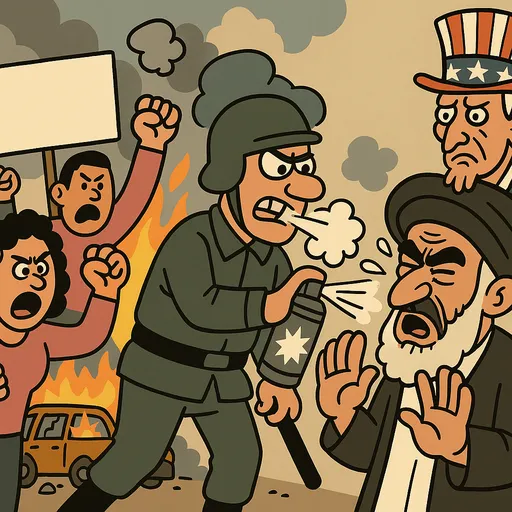
Iran has experienced extensive protests across many provinces, driven by economic hardship and political grievances. The demonstrations have resulted in at least 35 to nearly 40 deaths and over 1,200 arrests, with security forces responding harshly, including raids and use of tear gas even in sensitive locations like hospitals. The Iranian government acknowledges economic difficulties and expresses willingness for dialogue but maintains a firm stance against what it terms rioters. International actors, including the US, have condemned the crackdown and warned against violence, raising concerns about potential foreign intervention. The situation remains volatile, reflecting deep social unrest and significant challenges to the regime's stability.
Sources from Western and international backgrounds emphasize the human rights violations and the severe government crackdown on protesters. They highlight the high death toll, mass arrests, and the use of force against demonstrators, including vulnerable groups like students and children. These reports often include calls for restraint and international attention to Iran's political repression and economic crisis.
Articles from regional and Iranian sources present a dual narrative acknowledging economic and social grievances while emphasizing the government's efforts to maintain order and stability. They note the leadership's readiness for dialogue with peaceful protesters but stress a firm crackdown on rioters and foreign interference. The perspective underscores the regime's challenge in balancing concession and repression amid escalating unrest.
US-based articles focus on the political dimension of the protests, highlighting warnings from President Donald Trump against violent repression and threats of potential US intervention. This viewpoint frames the protests within broader geopolitical tensions, emphasizing concerns over human rights abuses and the possibility of external involvement in Iran's internal affairs.
Some articles detail specific incidents of clashes between protesters and security forces, including raids on hospitals and use of tear gas in public spaces like Tehran's Grand Bazaar. These reports illustrate the intensity of the confrontations and the government's aggressive tactics to suppress dissent. The focus is on the immediate dynamics of the protests and the state's security response.