
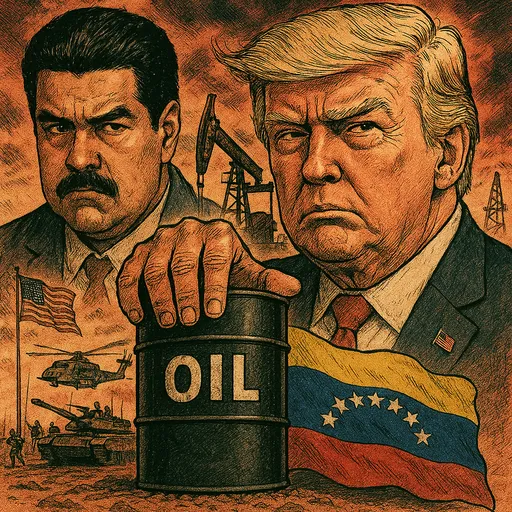
The geopolitical struggle over Venezuela's vast oil reserves is central to the ongoing conflict between the United States and the Maduro regime. The US, particularly under President Donald Trump, has expressed clear intentions to control and exploit Venezuela's oil sector, viewing it as a critical asset for energy security and regional influence. Despite military actions and sanctions, significant logistical, political, and international challenges complicate US efforts to fully access these resources. Venezuela and its allies resist US pressure, while global actors like Russia condemn US interventions, highlighting the broader international tensions. The situation remains fluid, with US plans for investment and control facing both internal and external obstacles amid a contested political transition.
Articles from US and Western-aligned sources emphasize the US government's intent to take control of Venezuela's oil resources as a means to weaken the Maduro regime and secure energy interests. Statements from Donald Trump and official US responses highlight plans for direct involvement, investment, and management of Venezuela's oil sector following Maduro's capture. This viewpoint frames the oil sector as a pivotal asset in US foreign policy and regional dominance strategies.
Articles from Venezuelan and allied perspectives focus on national sovereignty and resistance against US sanctions, blockades, and military actions. They highlight the ongoing struggle to maintain control over oil resources amid external pressures and condemn US operations as violations of international law. This viewpoint stresses the resilience of Venezuela against US attempts to dominate its energy sector and political landscape.
Several articles from third-party countries and international media report on the broader diplomatic fallout and geopolitical tensions resulting from US actions in Venezuela. These sources note condemnations from countries like Russia, China, France, and the UN, focusing on the implications of US military and economic interventions on global norms and regional stability. The perspective underscores the complexity and international ramifications of the US-Venezuela oil conflict.